
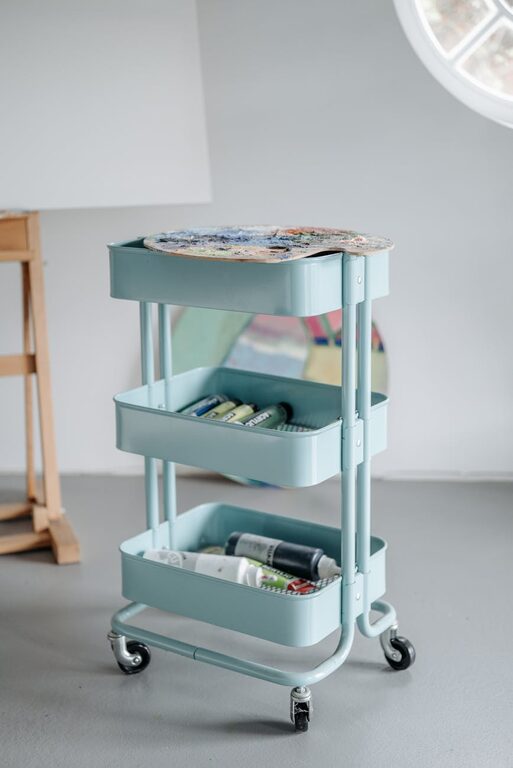
Keeping your children’s artwork organized can feel overwhelming, especially when those colorful masterpieces start piling up on the fridge, tables, and counters. But with a few easy strategies, you can create a system that honors your kids’ creativity while keeping your home tidy. Below are practical tips to help you organize your children’s art in ways that make both you and your little artists happy.
Why Organizing Kids’ Art Matters
Children love expressing themselves through drawing, painting, and crafting. Their artwork not only shows their creativity but also marks their development and memories. However, keeping every single piece can lead to clutter, stress, and missing special creations.
An organized approach helps to:
– Preserve important memories
– Reduce clutter in your home
– Encourage kids to value their work
– Make it easier to display and share their art
Start with a Sorting Routine
Creating a habit of sorting artwork as it comes in is key. Here’s how to do it effectively:
1. Set Up a “Temporary Gallery” Space
Designate a spot in your home where you can display new art for a short time — like a corkboard, magnetic strip, or strings with clothespins. This way, you showcase creativity without permanent clutter.
2. Sort into Keep, Toss, or Digitize
Once the display area fills up, work with your child to decide which pieces to keep, which to recycle, and which to save digitally. Involving kids teaches them decision-making and respect for their work.
Creative Ways to Store and Display Art
Organizing beyond the display period can be fun and creative. Here are some ideas to store or show the artwork in meaningful ways:
1. Use Portfolio Binders or Art Folders
Buy or make large binders with plastic sleeves to store flat artwork. Label by year or age and tuck completed art here. This protects the pieces and makes them easy to browse later.
2. Create a Digital Archive
Take photos or scan artwork and save them on your computer or cloud storage. Apps designed for kids’ art help organize images with dates and notes. This reduces physical clutter while preserving memories.
3. Make Personalized Art Books
Use photo book services to create printed books featuring your child’s artwork. These books become treasured keepsakes and great gifts for family members.
4. Frame Favorites for Wall Display
Select a few standout pieces and frame them in rotation. You can create a dedicated gallery wall to celebrate their efforts and boost their confidence.
5. Use Storage Boxes for 3D Art
For sculptures or projects that don’t fit into flat storage, use labeled boxes or bins. Make sure they stack well, and consider clear containers so you can easily see inside.
Tips for Maintaining the System
Once you have a system in place, consistent habits will keep it working smoothly.
– Set Regular Review Times: Schedule to go through the art collection with your child monthly or quarterly.
– Limit Saved Art: Agree on a maximum number of pieces to keep each period. This keeps your collection manageable.
– Encourage Gift Giving: Suggest your kids give their artwork as gifts to friends and family. It shares joy and reduces the volume at home.
– Label Everything: Always label stored artwork with your child’s name, date, and the occasion to create a meaningful archive.
– Celebrate Creativity Daily: Make art time special but manageable, balancing creation with organization habits.
Involve Your Kids in the Process
Encouraging children to take part in organizing their art teaches responsibility and pride in their work. Consider these approaches:
– Let them choose what’s displayed or stored
– Make sorting a fun activity, maybe with stickers or prizes
– Talk about what the artwork means to them
– Use organizational tools decorated with their input, like personalized binders or boxes
Conclusion
Organizing your kids’ artwork doesn’t have to be a chore. With simple routines and a few clever storage ideas, you can keep your home tidy while honoring your child’s creativity. Remember, it’s not about keeping everything but about celebrating the moments that matter. Start today, and watch both your kids and your home feel happier and more organized!
—
By implementing these tips, you create a loving environment where creativity is both encouraged and kept neat. Happy organizing!