
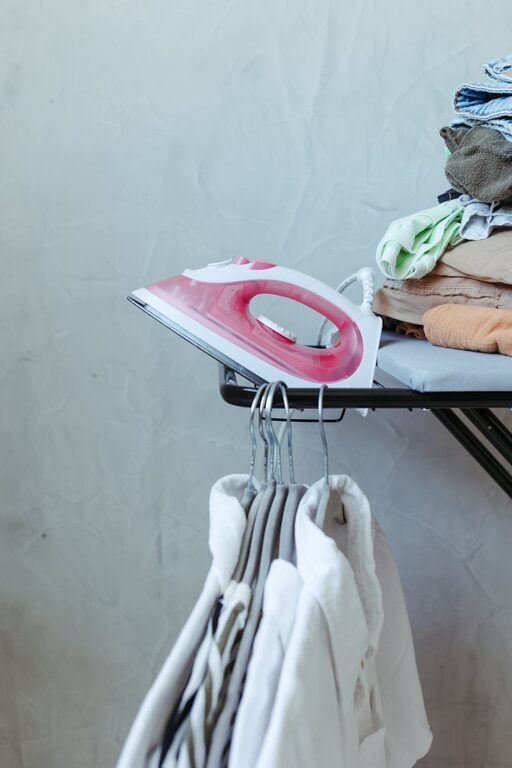
Caring for your clothes properly not only helps them look better but also extends their lifespan, saving you money and reducing waste. Whether it’s your favorite shirt, a delicate dress, or everyday jeans, a little extra care goes a long way in keeping your wardrobe fresh and durable. In this post, we’ll share practical tips on how to care for your clothes longer with easy-to-follow routines.
Understanding Fabric Types
Before diving into specific care tips, it’s important to recognize different fabric types. Knowing what your clothes are made of will help you choose appropriate washing and storing methods.
– Cotton: Durable and breathable; usually easy to wash but can shrink if exposed to high heat.
– Wool: Requires gentle handling; prone to shrinking and felting.
– Silk: Delicate; best washed by hand or on a gentle cycle.
– Synthetic fabrics (polyester, nylon): Generally machine washable; can be sensitive to high heat.
– Denim: Durable but fades with frequent washing.
Always check the care labels sewn inside your garments, as they provide specific instructions for ideal washing, drying, and ironing.
Washing Tips to Preserve Clothes
Sort Clothes Properly
Separate clothes by color (lights, darks, and whites) to prevent bleeding and dullness. Sort also by fabric type and weight to avoid damage—wash heavy items separately from delicate ones.
Use Cold Water
Cold water washing is gentler on fabrics and reduces fading and shrinking. It is also energy-efficient and helps retain the color and texture of your clothes longer.
Choose the Right Detergent
Use mild, gentle detergents designed for your fabric type. Avoid harsh chemicals and bleach unless absolutely necessary. For delicate fabrics, consider detergent formulated specifically for delicate or wool items.
Don’t Overload the Washing Machine
Crowding your machine prevents clothes from moving freely, causing extra friction and wear. Wash smaller loads to ensure thorough cleaning and less damage.
Turn Clothes Inside Out
Turning clothes inside out before washing protects the outer surface, minimizes fading, and reduces pilling and snags, especially for printed and dark garments.
Drying With Care
Air Dry When Possible
Whenever you can, air dry your clothes instead of using a dryer. Heat from dryers can shrink, weaken fibers, or cause wrinkles. Hang clothes on a drying rack or line in a well-ventilated area out of direct sunlight.
Use Dryer Settings Wisely
If you use a dryer, select low heat or tumble dry settings suitable for your fabric type. Remove clothes promptly to avoid wrinkles and overstretching.
Avoid Hanging Heavy Knits
Heavy sweaters and knitwear can stretch if hung to dry. Instead, lay them flat on a clean towel to maintain shape.
Storing Clothes Properly
Keep Clothes Clean Before Storage
Always wash or dry-clean clothes before storing them long-term. Dirt and oils attract insects and cause stains to set.
Use Proper Storage Containers
Store off-season clothes in breathable fabric bags or plastic bins with lids to protect from dust and pests. Avoid using plastic bags that trap moisture and can cause mildew.
Protect Against Moths and Pests
Use natural repellents like cedar blocks or lavender sachets to keep insects away. Avoid mothballs, which contain harmful chemicals.
Fold Heavy Garments
Fold bulky garments like sweaters or jeans instead of hanging them. Hanging can cause them to lose shape over time.
Ironing and Handling Wrinkles
Iron with Care
Always check clothing labels for ironing instructions. Use the recommended temperature setting for each fabric to avoid scorching or melting fibers.
Use a Steamer
Steamers are a gentle alternative for removing wrinkles from delicate fabrics and can refresh clothes without direct contact.
Store Clothes to Minimize Wrinkles
Hang clothes properly with good quality hangers that suit the garment type, and avoid overcrowding your closet to allow clothes to breathe.
Tips for Everyday Clothing Care
– Spot-clean stains immediately: The sooner you treat a stain, the easier it is to remove.
– Rotate your wardrobe: Avoid wearing the same clothes repeatedly without giving them a break to rest and air out.
– Be gentle: When washing by hand, soak garments in cold water with detergent and gently swish without wringing.
– Avoid over-washing: Not all clothes need washing after each wear—jeans, jackets, and sweaters especially can often be aired out instead.
Final Thoughts
Taking the time to care for your clothes properly can significantly increase their lifespan and keep them looking their best. By understanding fabric types, washing thoughtfully, drying carefully, storing properly, and handling garments gently, you’ll protect your investment and promote sustainability. Your wardrobe will thank you, and so will the environment.
Happy caring!