
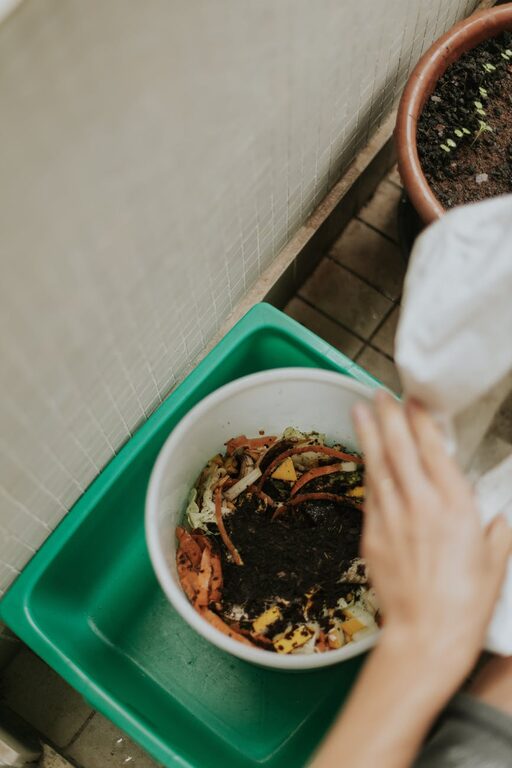
Composting at home is a fantastic way to reduce waste, improve your garden’s health, and contribute to a more sustainable lifestyle. If you’re new to composting, it might seem a bit overwhelming at first. But with some basic knowledge and a few easy steps, you can start turning everyday food scraps and yard waste into rich, fertile soil right in your backyard or even on your balcony. This guide shares beginner-friendly tips to help you begin your composting journey confidently.
What is Composting?
Composting is the natural process of recycling organic material, such as food scraps and garden waste, into a dark, nutrient-rich soil amendment known as compost. This compost can then be used to enhance soil health, promote plant growth, and reduce the need for chemical fertilizers.
Why Compost at Home?
– Reduces waste: Composting cuts down on the amount of trash sent to landfills.
– Enriches soil: Compost adds valuable nutrients and improves soil structure.
– Saves money: Reduces the need to buy fertilizers or soil conditioners.
– Supports the environment: Lowers greenhouse gas emissions associated with waste decomposition.
Getting Started With Home Composting
Choose the Right Composting Method
There are several ways to compost at home, depending on your space and lifestyle.
– Outdoor compost bin or pile: Great for those with yard space. Compost piles can be managed in bins or open heaps.
– Tumbler composters: These enclosed bins make turning and aerating compost easy and tidy.
– Worm composting (vermicomposting): Using worms to break down food scraps, ideal for small spaces and indoor setups.
– Bokashi composting: A fermentation process that treats food waste before adding it to soil or traditional compost.
Select a Location
Place your compost bin in a convenient, well-drained spot with good airflow. It should be accessible year-round and get some sunlight to help speed decomposition.
Gather Compostable Materials
Compost needs a mix of “greens” and “browns” to break down effectively:
– Greens: Nitrogen-rich materials like vegetable scraps, coffee grounds, fresh grass clippings, and fruit peels.
– Browns: Carbon-rich stuff such as dry leaves, straw, paper towels, shredded newspaper, and cardboard.
A good rule of thumb is to maintain a ratio of about 3 parts browns to 1 part greens.
What Not to Compost
Avoid adding the following to your home compost to prevent pests and odors:
– Meat, fish, bones, and dairy products
– Oils and greasy foods
– Diseased plants or invasive weeds
– Pet waste
Tips for Successful Composting
1. Chop or Shred Materials
Smaller pieces decompose faster. Before adding materials, chop or shred them to speed up the composting process.
2. Keep It Moist
Compost should be as damp as a wrung-out sponge—not too dry and not too wet. Occasionally add water if it feels dry or cover during heavy rain.
3. Turn Your Pile Regularly
Mixing or turning the compost every 1–2 weeks introduces oxygen, which helps microorganisms break down materials faster.
4. Monitor Temperature
Healthy compost heats up as microbes do their work. A warm pile (between 130°F to 160°F) is a sign it’s working well. If it’s too cold, add more greens or turn the pile to increase airflow.
5. Be Patient
Composting takes time—anywhere from a few weeks to several months, depending on conditions. Regular care and patience will be rewarded with dark, crumbly compost.
Using Your Finished Compost
You’ll know compost is ready when it looks dark and crumbly like rich soil and has an earthy smell. Use it in your garden beds, potted plants, or as mulch to improve soil fertility and retain moisture.
Troubleshooting Common Composting Issues
– Bad odors: Usually caused by excess moisture or too many greens. Add browns and turn the pile.
– Pests: Avoid adding meat or oily foods. Use a closed bin or cover food scraps with browns.
– Slow decomposition: Chop materials smaller, add water, and turn the pile for more oxygen.
Final Thoughts
Starting a compost bin at home is an easy and rewarding step toward sustainability. With just a little effort and consistent care, you can turn your organic waste into valuable compost that benefits your garden and the planet. Whether you have a large backyard or a small apartment balcony, there’s a composting method to fit your lifestyle.
Happy composting!