
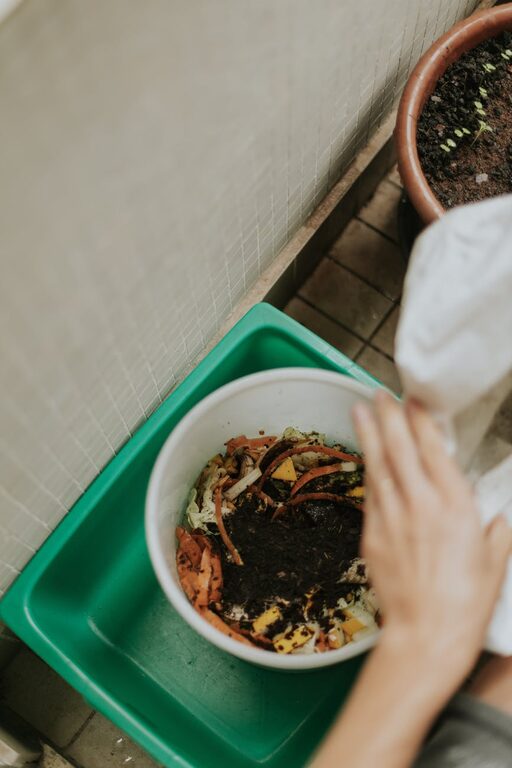
Composting is an eco-friendly and rewarding way to reduce household waste while creating rich, natural fertilizer for your garden. If you’re new to composting, the process might seem a bit confusing at first, but with some simple tips and a little patience, you can quickly set up a successful compost system at home. This guide will help you understand the basics and get started effortlessly.
What is Composting?
Composting is the natural process of recycling organic matter, such as kitchen scraps and yard waste, into a valuable soil amendment known as compost. This nutrient-rich material improves soil health, retains moisture, and helps plants grow stronger.
Benefits of Composting at Home
– Reduces waste sent to landfills
– Improves soil quality in your garden
– Saves money on fertilizers
– Supports beneficial microorganisms and earthworms
– Lessens environmental impact by recycling organic material
Getting Started: Choose Your Composting Method
There are several ways to compost at home. The right choice depends on your space, time, and needs.
Outdoor Compost Bin
Ideal if you have a yard, a compost bin can be purchased or homemade. Choose a spot with good drainage and easy access.
Compost Tumbler
A compost tumbler is a rotating bin that helps speed up decomposition. It’s a neat, contained option that minimizes odors and pests.
Worm Composting (Vermicomposting)
Using worms, especially red wigglers, this method is perfect for indoor or small-space composting. Worm bins can fit on a balcony or in a kitchen corner.
Simple Compost Pile
If you’re just starting and have space, a straightforward compost pile is the easiest method. Just gather materials in one heap and turn regularly.
Beginner Tips for Effective Composting
1. Balance Green and Brown Materials
Successful composting requires the right mix of “greens” and “browns”:
– Greens: Nitrogen-rich items like fruit and vegetable scraps, coffee grounds, fresh grass clippings.
– Browns: Carbon-rich items such as dry leaves, shredded paper, cardboard, straw, and small twigs.
Aim for roughly 2 to 3 parts brown to 1 part green. This balance helps the pile heat up and decompose properly.
2. Chop or Shred Materials
Breaking down large pieces speeds up decomposition. Chop or shred stems, leaves, and kitchen scraps before adding them to your compost.
3. Keep Your Compost Moist
Your compost pile should feel like a damp sponge—not too dry or soaking wet. If it’s dry, add water. If it’s too wet, mix in more dry brown materials to absorb moisture.
4. Turn the Pile Regularly
Aerating your compost by turning it every one to two weeks speeds up breakdown by introducing oxygen. Use a garden fork, compost aerator, or simply stir the contents.
5. Avoid Adding These Items
– Meat, dairy, oily foods: These attract pests and create odors.
– Diseased plants or invasive weeds: May spread problems in your garden.
– Pet waste: Can contain harmful pathogens.
– Coal or charcoal ash: Contains toxins harmful to soil.
6. Use a Compost Thermometer (Optional)
If you want to monitor your compost, a thermometer can help check the temperature. A hot pile (130-160°F) breaks down material faster, but cold composting works too if you’re patient.
Troubleshooting Common Problems
Smelly Compost
– Too wet or too many greens? Add more browns and turn the pile.
– Lack of airflow? Turn the compost to add oxygen.
Slow Decomposition
– Pile too dry? Add water.
– Pile too large or compact? Break it apart and turn regularly.
– Improper green-brown ratio? Adjust the materials you add.
Pests in Compost
– Avoid meat or oily food.
– Use a secure bin or cover fresh scraps with browns to deter critters.
Using Finished Compost
After several months to a year, your compost should look dark, crumbly, and smell earthy.
– Mix it into garden beds to improve soil texture and fertility.
– Use as mulch around plants to retain moisture and suppress weeds.
– Potting mix can be enriched by adding finished compost.
Final Thoughts
Starting a compost pile at home is easier than it might seem. By balancing materials, maintaining moisture, and turning your compost periodically, you’ll create a healthy ecosystem that turns kitchen and yard waste into garden gold. Composting not only benefits your garden but also helps protect the environment by reducing landfill waste.
Happy composting!
—
If you enjoyed this guide, consider sharing your composting journey in the comments below or connecting with local gardening groups for extra tips and support.