
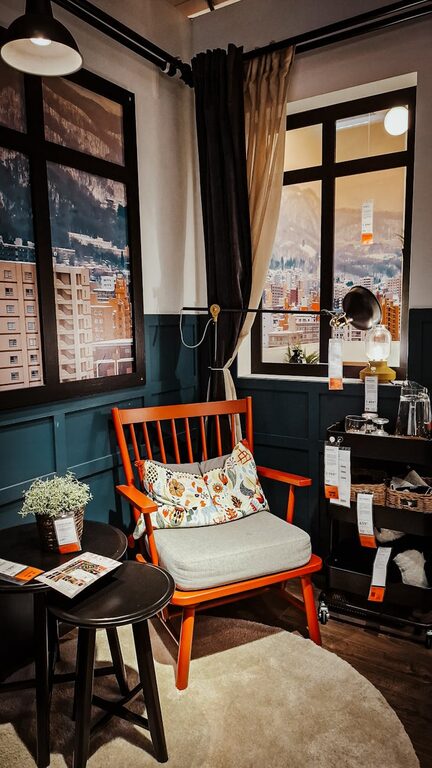
Bringing plants into your home is a simple and rewarding way to refresh your living space. Not only do plants add natural beauty, but they can also improve air quality and create a calming atmosphere. Whether you’re a seasoned plant enthusiast or just starting out, this guide will help you choose, place, and care for plants that brighten your home and suit your lifestyle.
Why Add Plants to Your Home?
Plants offer more than just visual appeal. Studies have shown that indoor plants can boost mood, reduce stress, and increase productivity. They also help filter pollutants from the air, creating a fresher environment. Plus, plants bring a touch of nature inside, which can make any room feel cozier and more inviting.
Choosing the Right Plants for Your Space
Consider Lighting Conditions
Before buying plants, assess the natural light in your rooms. Some plants need bright, direct sunlight, while others thrive in low-light conditions.
– Bright light: Succulents, cacti, fiddle leaf fig, and herbs like basil.
– Medium light: Snake plants, pothos, ZZ plants, and peace lilies.
– Low light: Cast iron plants, philodendrons, and certain ferns.
Think About Your Maintenance Style
Plants vary in how much care they require. If you’re busy or new to plant care, look for low-maintenance varieties that tolerate occasional neglect.
– Easy-care plants: Snake plant, pothos, aloe vera, and spider plant.
– Moderate care plants: Peace lily, rubber plant, and Boston fern.
– High-maintenance plants: Orchids, bonsai, and some tropical species.
Match Plant Size to Space
Choose plants that fit the available space without overcrowding. Tall plants like a fiddle leaf fig work well in corners, while small succulents or air plants can decorate shelves and desks.
Creative Ways to Display Plants
Use Decorative Pots and Containers
Pots add style and personality. Select containers that complement your décor—ceramic, terracotta, woven baskets, or minimalist planters.
Try Hanging Planters
Maximize space and add visual interest with hanging planters. Perfect for trailing plants like pothos or spider plants, they’re great for kitchens and bathrooms.
Create Plant Clusters
Group plants of different heights and textures together. This creates a mini indoor garden that draws the eye and provides variety.
Repurpose Household Items
Get creative by repurposing jars, teacups, or vintage tins as plant containers. This adds charm and reduces waste.
Caring for Your Indoor Plants
Watering Tips
Overwatering is one of the most common mistakes. Water only when the top inch of soil feels dry. Make sure pots have drainage holes to prevent root rot.
Light and Temperature
Keep plants in spots where they can get their preferred light. Avoid placing them near drafts or heating vents, as sudden temperature changes can stress plants.
Feeding Your Plants
During the growing season (spring and summer), feed your plants with a balanced, water-soluble fertilizer every few weeks. Reduce feeding in fall and winter when growth slows.
Pruning and Grooming
Regularly remove dead or yellowing leaves to keep plants healthy and attractive. Some plants benefit from occasional pruning to encourage new growth.
Benefits Beyond Aesthetics
In addition to beautifying your home, plants can:
– Improve humidity levels, especially beneficial in dry climates or heated homes.
– Reduce noise by absorbing sound.
– Support mental well-being by providing a nurturing activity and connecting you with nature.
Troubleshooting Common Issues
– Yellow leaves: Often a sign of overwatering or poor drainage.
– Brown tips: May indicate low humidity or underwatering.
– Leggy growth: Usually caused by inadequate light.
– Pests: Look for tiny insects like spider mites or aphids; treat early with natural insecticidal soap or neem oil.
Final Thoughts
Refreshing your home with plants is an enjoyable project that brings life and color to your environment. By selecting the right plants, arranging them thoughtfully, and giving them proper care, you’ll create a space that feels vibrant and welcoming. Start small, observe what works best, and over time, you’ll develop your own green sanctuary.
Happy planting!